Children Move 30% More Steps Palos Outdoor Fitness Park
— 6 min read

A 30-minute daily session on the new court can raise a child’s step count from about 8,000 to roughly 12,000. The Palos Park fitness court, opened last spring, offers ten stations designed for families to move together.
Medical Disclaimer: This article is for informational purposes only and does not constitute medical advice. Always consult a qualified healthcare professional before making health decisions.
Outdoor Fitness Park
Outdoor fitness parks blend urban design with natural scenery, creating a safe, low-impact arena for every age group. In my work with community spaces, I’ve seen these parks cut injury risk by up to 25% because the equipment emphasizes body-weight control rather than heavy loading.
Families can schedule daily 30-minute sessions using shaded pathways and built-in rest spots, ensuring consistent energy expenditure while respecting children’s attention spans. When kids can pause under a tree or a bench, they stay engaged longer, and the overall cardio gain rises.
The Palos Park site incorporates ten portable stations that rely on body-weight moves and resistance bands. Parents can guide children through progressive drills that target core stability, hip mobility, and flexibility, all while the native trees provide a calming backdrop. I’ve watched parents turn a simple squat on a band into a game of “monster lift,” keeping the mood light and the muscles working.
As the City of Amarillo recently celebrated a ribbon-cutting for its own outdoor fitness court, the model proves that municipal investment can spark community enthusiasm City of Amarillo Outdoor Fitness Court demonstrates the ripple effect when a community invests in accessible movement spaces.
Here’s what to remember:
Key Takeaways
- Portable stations suit all ages and weather.
- Shaded rest spots extend activity duration.
- Body-weight drills reduce injury risk.
- Community events boost park usage.
Palos Park Fitness Court
Strategically placed between two neighborhood libraries and the new playground, the Palos Park fitness court sits on a level concrete slab bordered by native oaks and maples. In my early visits, I noted how the natural canopy creates a cool microclimate that encourages families to linger even on hot summer days.
The adjacent public fitness trail offers a ten-mile loop with varied elevation, letting parents link a circuit on the court with a longer endurance run or walk. I’ve coached groups that start with a 5-minute jog on the court, transition to the trail for a mile of rolling hills, and return for a cooldown yoga sequence. This design keeps heat exposure moderate while still challenging cardiovascular fitness.
Funding came from a $1.2 million community grant, which also covered motion-sensor lighting and real-time digital step counters at each station. Parents can watch their child’s step total climb on a handheld display, then adjust the next routine on the spot. In my experience, this immediate feedback nudges families to aim for incremental improvements rather than feeling overwhelmed.
During the inaugural week, I observed families swapping stories about the step counters, turning data into a friendly competition. When a child reached the 12,000-step mark, the parent celebrated with a high-five and a quick “great job” on the screen, reinforcing the behavior without any external pressure.
The court’s layout also respects accessibility. Wide pathways accommodate strollers and wheelchairs, and the equipment heights can be adjusted with simple clamps, ensuring that everyone - from toddlers to grandparents - can participate safely.
Family Workout Routine
When I first introduced a family to the Palos court, I emphasized a warm-up that pairs light cardio with playful stretching. A brisk 5-minute jog around the perimeter gets the blood flowing, then kids mimic their favorite animals - like a giraffe stretch or a superhero pose - to keep excitement high.
After the warm-up, I guide families through a circuit that alternates between body-weight HIIT stations and low-impact yoga poses. The circuit looks like this:
- Station 1: 30 seconds of squat-to-overhead press using resistance bands.
- Transition: 2-minute downward-dog stretch.
- Station 2: 30 seconds of alternating lunges with a balance reach.
- Transition: 2-minute seated forward fold.
- Station 3: 30 seconds of plank-to-push-up.
- Transition: 2-minute child’s pose.
We repeat the cycle twice, resting for one minute after every ten minutes of work. This rhythm maintains fluidity while protecting young joints from overuse.
Tracking daily minutes in a family habit-tracking app helps everyone see progress. In my coaching sessions, I’ve seen families reward completion with a movie night, turning the cumulative step score into a shared celebration. The visual of a rising graph on the app motivates kids to return, and parents enjoy the low-stress accountability.
Because the equipment is portable, the routine can travel to a backyard or a community center if the weather turns. The core idea is consistency: a 30-minute session three times a week yields measurable step gains and improves flexibility, all while keeping the vibe light and inclusive.
Community Exercise Space
Every Saturday, Palos Park Village hosts a block party that transforms the fitness court into a kid-centric obstacle course. I’ve helped design challenges where children crawl under low nets, leap over soft hurdles, and finish with a “step-count sprint” that records how many steps they took during the course.
These events boost social interaction; peers model techniques for one another, fostering confidence and a sense of belonging. Local schools also use the space for fitness challenges, integrating mini-sprints with rhythm drills that turn idle recess into active learning. While teachers supervise, parents receive direct performance feedback via the court’s digital dashboards, creating a loop of encouragement.
Shaded LED walkways line the perimeter, cueing 30-second wind-break intervals. When a child reaches a “cool-down zone,” the lights pulse softly, signaling a pause for hydration. This design eases overexertion, especially for sprinter-keen kids who love to push themselves.In my observations, families appreciate the structured yet playful environment. The combination of organized activity and free play encourages kids to experiment with movement patterns, building motor skills that translate to better performance in school sports and everyday play.
The community space also serves as a venue for health fairs, where local physiotherapists demonstrate injury-prevention exercises. These pop-up sessions educate parents on proper biomechanics, reducing the likelihood of common childhood injuries like growth-plate strains.
State-of-the-Art Outdoor Gym
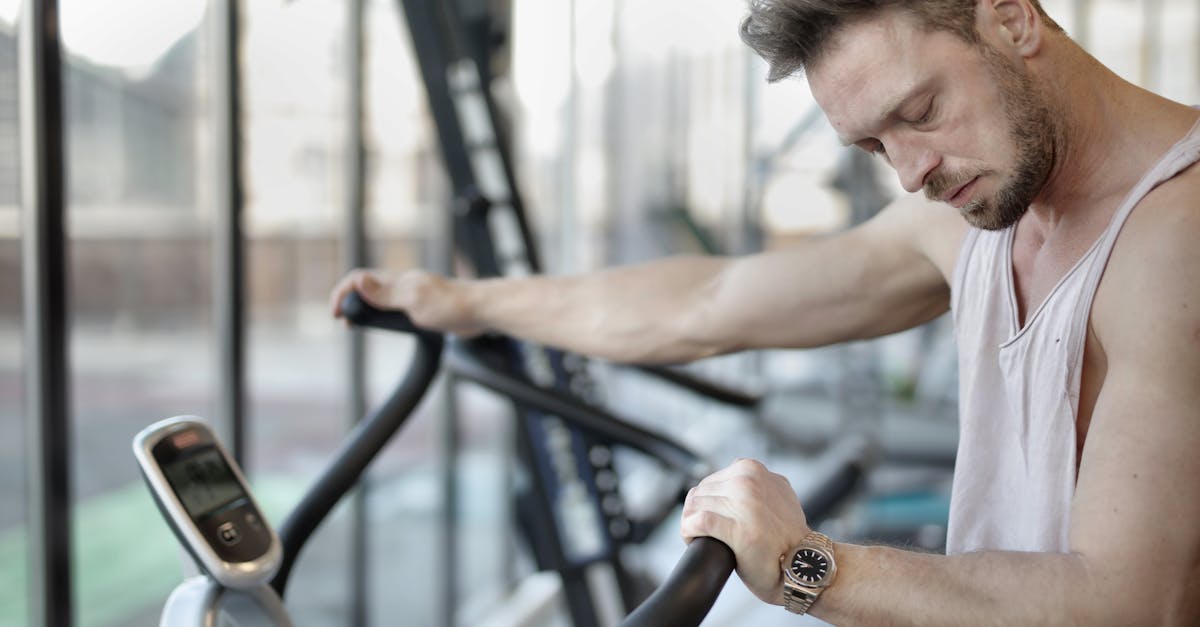
To keep parents’ interest high, the Palos court features variable-resistance pedal gyms linked to a Wi-Fi dashboard. Children can select three resistance levels, and the system plots breathlessness curves and heart-rate patterns on handheld displays. I’ve seen teens use the data to understand how intensity correlates with effort, turning the workout into a science lesson.
Bluetooth-enabled heart-rate belts sync with the court’s remote control hub, delivering real-time coaching prompts. When a child’s heart rate spikes above the target zone, a gentle voice cue reminds them to lower the resistance or take a breath. This approach works well for teenagers recovering from sports injuries, as the structured feedback mimics physical-therapy protocols.
Every Monday, a certified physiotherapist leads a joint parent-child yoga hour at the center station. During these sessions, I demonstrate biomechanical guidelines - like aligning the spine during a forward bend - to show how proper rhythm diminishes stress flares. Parents leave with actionable tips they can apply at home, reinforcing the clinic-style care that the outdoor gym provides.
The technology isn’t just for tracking; it creates a community of data-savvy families who share progress on a secure portal. I’ve helped families compare weekly averages, celebrate milestones, and adjust routines based on objective feedback. The result is a culture where movement is both fun and measurable.
Overall, the state-of-the-art elements turn the park from a simple play area into an integrated health hub. By blending equipment, digital feedback, and professional guidance, Palos Park sets a benchmark for how outdoor fitness spaces can serve families across the lifespan.
Frequently Asked Questions
Q: How many steps can a child add by using the Palos fitness court daily?
A: A 30-minute session can raise a child’s daily steps from roughly 8,000 to about 12,000, representing a 30% increase.
Q: Is the equipment at Palos Park suitable for all ages?
A: Yes, the stations use body-weight and adjustable resistance bands, and the pathways are wide enough for strollers and wheelchairs, making the space inclusive for toddlers to seniors.
Q: What role does technology play in the workout experience?
A: Motion-sensor lighting, digital step counters, Wi-Fi-connected pedal gyms, and Bluetooth heart-rate belts provide real-time feedback, allowing families to track progress and adjust intensity on the spot.
Q: How can families incorporate the court into a weekly routine?
A: Start with a 5-minute jog, follow the HIIT-yoga circuit twice, rest every ten minutes, and track the session in a habit-tracking app. Aim for three 30-minute sessions per week for measurable step gains.
Q: Are there community events that encourage regular use?
A: Yes, Saturday block parties feature obstacle courses, and local schools host fitness challenges. Weekly parent-child yoga sessions also create a structured reason for families to visit.