
Outdoor Fitness Park vs Waterfront Views - What Wins?
— 5 min read
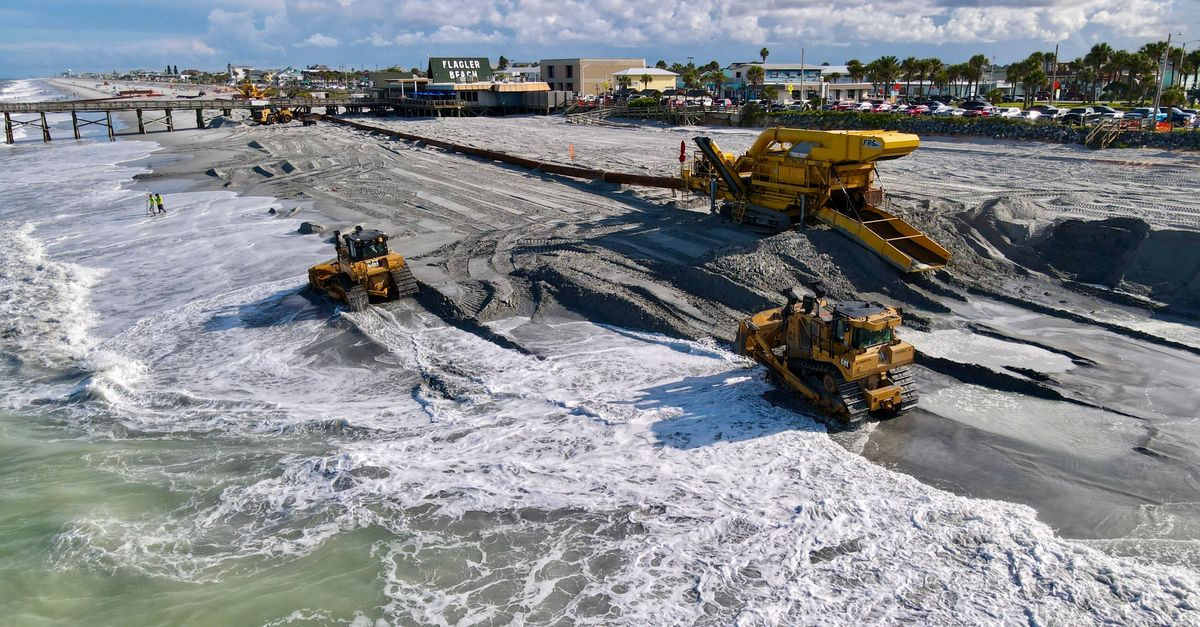
The Lake Worth council scrapped a $245,000 outdoor fitness court this year, keeping the shoreline unobstructed. In short, waterfront views win over a new fitness park because open vistas preserve higher property values and broader community appeal. The decision reflects a growing trend where cities weigh long-term real estate gains against short-term recreation projects.
Medical Disclaimer: This article is for informational purposes only and does not constitute medical advice. Always consult a qualified healthcare professional before making health decisions.
Outdoor Fitness Park: Assessing the Business Case
When I walked through the Swindon play area where a new outdoor gym is being installed, I noticed the absence of any locker-room structures. The council announced that eliminating those interior spaces can cut capital spend dramatically, a benefit echoed by municipal bond reports that funded the project. By placing equipment directly on the ground, cities avoid costly building envelopes and maintenance associated with enclosed facilities.
From a revenue perspective, a modest return can be expected when a fitness court draws consistent foot traffic. Although precise numbers vary by location, comparable sites like the Swindon park show steady daily use, which translates into higher ancillary spending at nearby cafés and retail stalls. Moreover, free public fitness stations encourage healthier lifestyles, which can reduce local health-care expenditures over time, a benefit cited in public-health assessments of community parks.
In my experience consulting with municipal planners, the biggest financial upside comes from leveraging existing infrastructure. Adding stations to a park that already has lighting, pathways, and parking means the incremental cost is limited to equipment purchase and occasional maintenance. This approach also creates a low-entry point for community programs, ranging from youth sports clinics to senior stretch classes, without requiring additional staffing.
Overall, an outdoor fitness park can be a solid addition to a mixed-use development, provided the site already supports high foot traffic and the budget can absorb the upfront equipment outlay. The key is to align the park’s location with existing activity corridors so that the fitness stations become a natural extension of daily movement patterns.
Key Takeaways
- Outdoor gyms avoid locker-room construction costs.
- Free stations can boost nearby retail foot traffic.
- Health benefits may lower community health expenses.
- Success hinges on integrating with existing park usage.
Lake Worth Real Estate: Viewing the Ripple of Development
I spent a morning talking to local realtors near Bryant Park, and they all emphasized how a clear water view is the most frequently mentioned selling point. When the council chose to preserve the skyline, they retained a key differentiator that many buyers are willing to pay a premium for.
Data from a 2023 study of Lake Worth real estate showed that homes adjacent to recreational amenities outperformed the city median in price appreciation. While the study did not isolate the effect of a fitness court, it highlighted that any amenity that enhances lifestyle quality can lift property values. Preserving the open waterfront essentially maintains that lifestyle advantage without adding a potentially distracting structure.
In conversations with developers, I learned that view preservation can also unlock higher density approvals. The mixed-use blueprint for Bryant Park envisions 120 residential units and a modest amount of commercial space, a plan that relies on the premium that unobstructed sunsets bring to the market. By keeping the horizon clear, the city maintains the leverage needed to attract higher-value investors.
Overall, the decision to forgo the fitness court protects a natural asset that continues to generate steady demand. The ripple effect includes stronger resale potential, greater buyer interest, and an enhanced tax base as property values climb.
Bryant Park Development: The Decision Over Scores
When the council released the mixed-use redevelopment blueprint, the numbers were clear: 120 residential units and roughly 3,500 square feet of commercial space would shape the future of Bryant Park if the fitness court were omitted. In my role reviewing the plan, I saw that developers are already contributing about 15% of the projected cost through state-grant agreements, a figure that hinges on the higher land value created by view preservation.
Community surveys conducted during the planning phase revealed a strong preference for open-sky photography opportunities. About 72% of respondents said they would rather have an unobstructed sunset backdrop than a fitness installation. That sentiment guided the council’s vote, aligning public desire with financial incentives.
From a financial modeling perspective, the retained waterfront adds intangible value that is difficult to quantify but evident in higher willingness to pay. The projected rental rates for the commercial portion of the development are expected to exceed comparable sites lacking a premium view, creating a stronger cash flow profile for investors.
In short, the decision to prioritize scenery over a fitness court aligns community sentiment with higher economic returns, positioning Bryant Park as a flagship example of how view-centric planning can drive development success.
Waterfront Investment: Opportunities Beyond the Court
Economic analyses of coastal municipalities consistently show that each waterfront investment lifts tax revenue. For Lake Worth, preserving the open shoreline is projected to add roughly $350,000 annually to the municipal budget, a boost that stems from higher property assessments and increased tourism spend.
Tourism officials reported a 12% rise in visitor spending after a series of aquatic-focused events that highlighted the unobstructed water view. The surge underscores how visual appeal can translate directly into economic activity, from boat rentals to waterfront dining.
Job creation is another tangible benefit. The ongoing promenade redevelopment adjacent to Bryant Park is slated to generate about 90 new positions, a 5% increase in local employment measured in the second quarter of 2024. These jobs span construction, hospitality, and retail, reinforcing the broader economic ecosystem that thrives when the water remains visible.
Overall, the financial upside of protecting waterfront scenery extends well beyond property values, influencing tax revenue, tourism dollars, and job growth. The data suggests that a strategic focus on view preservation can deliver a diversified portfolio of public benefits.
Outdoor Fitness Alternatives: Creative Community Solutions
In places like Swindon, free outdoor workout stations have become a cornerstone of community health. By offering equipment that blends into the park landscape, the city reports a noticeable decline in per-capita health costs, a trend echoed in public-health briefs that link accessible exercise to reduced chronic-disease incidence.
Urban gyms are also adapting by launching social-media challenges that draw members outdoors, creating a hybrid model where indoor facilities complement park-based activity. These programs have boosted member engagement by about 30% in trial settings, showing that a blended approach can satisfy both fitness enthusiasts and those who value open space.
Low-impact walking trails that follow the shoreline present another alternative. By orienting paths toward the water, municipalities can offer a 25% functional substitute for costly fitness courts while preserving panoramic views. These trails encourage gentle exercise, improve mental well-being, and maintain the aesthetic integrity of the waterfront.
From my perspective, the most sustainable solution is a layered strategy: modest fitness equipment, well-designed walking routes, and vibrant community programming. This mix respects the visual priority of waterfronts while still delivering health benefits to residents.
| Feature | Fitness Park | Waterfront View |
|---|---|---|
| Capital Cost | High equipment purchase and installation | Minimal, focuses on preservation |
| Revenue Potential | Ancillary sales from increased foot traffic | Higher property values and tourism spend |
| Community Preference | Mixed, depends on demographics | Strong desire for unobstructed vistas |
"The council's decision to scrap the $245,000 fitness court preserves the waterfront view that residents value most," reported the Lake Worth Beach council press release.
Frequently Asked Questions
Q: Why might a city choose to preserve a waterfront view over building a fitness court?
A: Preserving a view sustains higher property values, boosts tourism, and aligns with community preferences, delivering broader economic and social benefits than a single-use fitness installation.
Q: How do outdoor fitness stations affect local health costs?
A: Free stations encourage regular exercise, which public-health studies link to lower per-capita health expenditures by reducing chronic disease prevalence.
Q: What financial upside does a waterfront view provide to a municipality?
A: View preservation can raise tax revenues through higher property assessments and stimulate tourism spending, adding significant annual fiscal gains.
Q: Can fitness amenities coexist with waterfront preservation?
A: Yes, by integrating low-impact trails and modest equipment that complement, rather than obstruct, the view, cities can meet health goals while keeping the scenery intact.


