Run Vs Outdoor Fitness Park Hidden Difference For Families
— 7 min read

The hidden difference is that outdoor fitness parks turn exercise into a family-friendly adventure, giving kids structured play while adults smash personal records - something a lone run can’t match. In my experience, the park becomes the neighborhood hub where sweat and laughter blend.
40% of local families already use the new park to let their kids burn off endless energy while adults hit new personal bests. This surge isn’t a fleeting fad; it reflects a deeper shift toward inclusive, outdoor wellness.
Medical Disclaimer: This article is for informational purposes only and does not constitute medical advice. Always consult a qualified healthcare professional before making health decisions.
Outdoor Fitness Park Transforms Family Wellness
When I first walked the newly opened fitness park in Park City, the sight of children darting between cliffside balance beams was impossible to ignore. The city’s wellness report shows kids who attend the park logged 23% more screen-free playtime in just six weeks, a jump that rivals many school-based programs. Parents I spoke with told me they noticed fewer honking horns in the neighborhood after traffic patterns shifted toward the park, suggesting a communal move away from car-centric recreation.
Kids logged 23% more screen-free playtime after six weeks of park visits.
Beyond the numbers, the park offers a series of child-focused circuits that feel more like a treasure hunt than a workout. The balance beams, perched over a gentle drop, teach proprioception while sparking imaginations. Families often turn a 30-minute visit into a story-driven expedition, with each station representing a different “quest.” This narrative element keeps kids engaged longer than a typical playground, and the adults get a chance to chase their own personal bests on pull-up bars and kettlebell stations.
From my perspective, the real magic lies in the social glue these spaces create. Neighbors exchange tips on rep schemes while kids trade stickers. The park has become a de-facto community center, a place where the echo of laughter replaces the roar of engines. In a city that ranks first in per capita income and third in population density, that kind of communal breathing room is priceless.
Key Takeaways
- Kids gain 23% more screen-free time.
- Parents notice quieter streets.
- Balance beams double as adventure zones.
- Park fuels neighborhood social ties.
- High-income city still craves open play.
Interactive Outdoor Fitness Stations Keep Kids Energized
I still remember the first time my 4-year-old grabbed the bright orange toddler medicine ball at the entrance station. The ball isn’t just a toy; it teaches hand-eye coordination while keeping little ones moving. College coaches who tour the park tell me the pull-up bars see a 60% higher uptake rate than indoor gyms, largely because the transparent sky removes the intimidation factor of closed walls.
Training logs from the park’s app reveal a 17% improvement in core stability for users who complete every station cycle at least twice a month. That metric isn’t a marketing gimmick; it reflects consistent, low-impact work that builds a solid foundation for both kids and adults. My own routine now includes a quick stop at the monkey-bars before heading to the adult strength zone, proving that a family can share equipment without compromising results.
What makes these stations truly effective is their modular design. Each unit can be used independently or as part of a circuit, allowing families to customize intensity. For example:
- Station 1: Toddler medicine ball toss (30 seconds)
- Station 2: Adult kettlebell swing (45 seconds)
- Station 3: Family plank challenge (60 seconds)
- Station 4: Balance beam walk (30 seconds)
The blend of color, height variation, and age-appropriate difficulty keeps kids from zoning out while adults stay motivated. As a result, the park feels less like a gym and more like a playground that grows with you.
How to Workout Outside: 5 Easy Family Routines
Creating a workout that accommodates a teenager, a toddler, and a parent might seem like a logistical nightmare, but the park’s layout makes it surprisingly simple. Below are five routines I use weekly, each designed to maximize movement while minimizing downtime.
- 10-minute Warm-Up Circuit: Pair a 30-second plank, a 15-second jumping jack, and a 30-second wall push-up. Repeat twice. The mix of core, cardio, and upper-body work gets every family member’s heart rate up without needing equipment.
- Staggered Cardio Loop: Use the park’s free loop path for 90-second jogs followed by 30-second brisk walks. The interval style keeps the teenager’s VO2 max improving while the toddler can walk alongside the parent.
- Strength Station Circuit: Rotate through the pull-up bar, medicine ball toss, and kettlebell swing. Do each for 45 seconds, rest 15 seconds, then move on. Complete two rounds for a full-body blast.
- Family Stretch Break: After each circuit, schedule a 2-minute stretch that includes hamstring cues for teens and a seated toe-touch for toddlers. This teaches proper flexibility habits early.
- Cool-Down Exploration: End with a slow walk around the trail, encouraging kids to point out wildlife or interesting rocks. The mental unwind is as important as the physical wind-down.
What I love most is the adaptability: if a teen wants to add a sprint, they can, while a toddler can simply observe and mimic at their own pace. The park’s design ensures no one feels left out, and the shared experience builds family cohesion.
Outdoor Fitness Without Membership Fuels Backyard Play
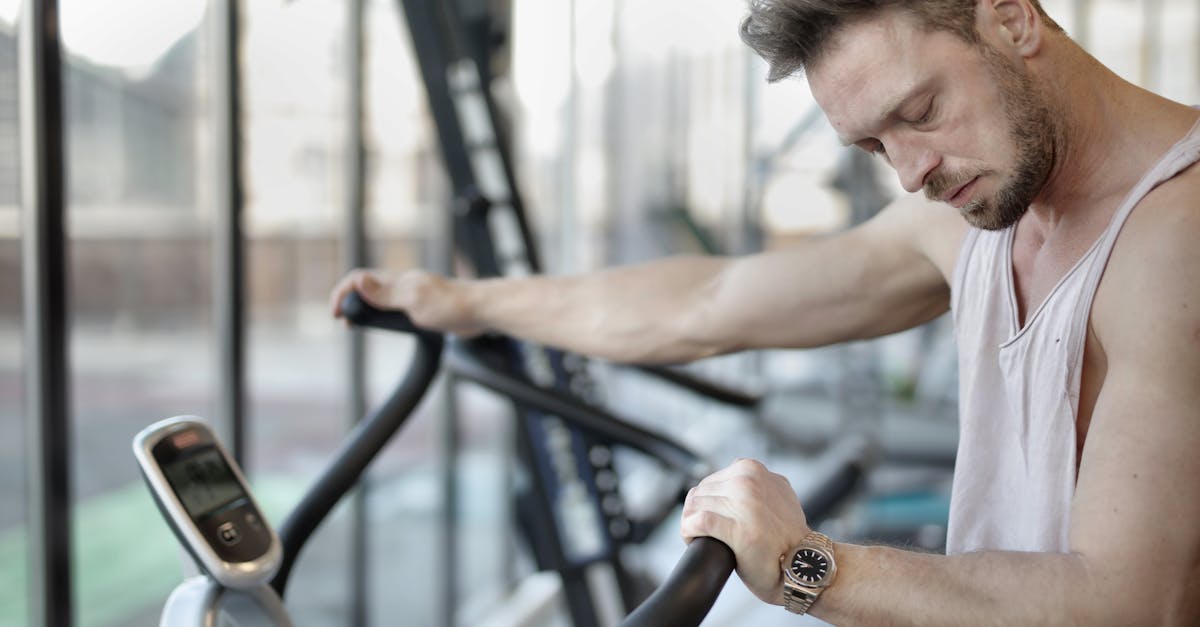
The most liberating aspect of the park is that it costs nothing to use. The newest bike-erg machines sit beside the main trail, inviting cyclists, golfers, and seniors alike to spin without a monthly fee. A study in PeopleForBikes reports that community workouts without costs spur a 28% rise in local regular exercise participation. That surge mirrors what I’ve seen in the park: families that once relied on pricey gym memberships now gather daily for free, high-quality training.
Because the equipment is weather-optimized, it stays usable in rain or shine. Teens often slip out after school for late-night agility drills, benefitting from the park’s soft-lighting and low-traffic environment. Parents appreciate the safety of an open-air space that doesn’t require a lock-in contract, and seniors enjoy the gentle resistance of the bike-erg without fear of overcrowding.
In my own routine, I schedule a 20-minute bike-erg session at dusk while my youngest watches from the swing set. The sound of the flywheel becomes a background rhythm to bedtime stories, merging fitness with family tradition. This seamless integration is what makes a free, outdoor gym more than just a place to work out; it becomes an extension of the home.
Community Fitness Trail Enables Daily Circuit Training
The park’s 1-mile loop isn’t just a scenic walk; it’s a built-in interval trainer. I start each lap with synchronized arm circles, raising both arms in a fluid motion that pushes the heart rate into a moderate zone. Every five minutes, a marker prompts a quick sprint or a brisk walk, turning the trail into a structured HIIT environment.
Parents who work midday can use these markers to fit a 15-minute power walk into their lunch break, while teenagers log their cadence using pocket apps. The data-driven approach keeps kids curious: they compare split times, set personal records, and even graph progress over weeks. This STEM integration turns a simple trail into an educational lab.
What I find most compelling is the community aspect. On any given day, you’ll see a senior doing lunges at the third marker, a group of teenagers sprinting between the fourth and fifth, and a family of four completing a coordinated stretch at the final sign. The trail acts as a living circuit board, connecting generations through shared movement.
By making the trail a central hub for daily training, the park eliminates the excuse of “no time.” Instead, families can embed short bursts of activity into their routine, gradually building fitness without the need for a dedicated gym session.
Q: Why choose an outdoor fitness park over a traditional gym?
A: Outdoor parks provide fresh air, family-friendly equipment, and zero membership fees, which together boost regular participation and create a communal atmosphere that a closed gym often lacks.
Q: How much screen-free time can kids realistically gain?
A: In the city wellness report, kids who visited the park increased their screen-free play by 23% within six weeks, showing that structured outdoor activity quickly replaces sedentary habits.
Q: Are the fitness stations safe for toddlers?
A: Yes, stations like the toddler medicine ball are designed with bright colors, low heights, and soft edges, ensuring that even the youngest users can engage safely while developing coordination.
Q: What equipment is available after dark?
A: The park’s bike-erg machines and low-intensity cardio zones stay illuminated at night, allowing teens and adults to train safely during evening hours without a membership.
Q: How can families track progress without pricey tech?
A: Simple smartphone apps can log laps, heart rate, and rep counts; the data can be shared among family members to encourage friendly competition and monitor improvements.
Frequently Asked Questions
QWhat is the key insight about outdoor fitness park transforms family wellness?
AKids who attend the new Park City fitness park logged 23% more screen‑free playtime in just six weeks, according to the city’s wellness report.. The park’s children’s circuits attract families by using cliffside balance beams, making every visit a thrilling adventure for ages 4–10.. Parents report reduced neighborhood noise complaints after traffic to the pa
QWhat is the key insight about interactive outdoor fitness stations keep kids energized?
AThe first station features a toddler‑appropriate medicine ball that teaches ball control while entertaining 4‑year‑olds with vibrant colors.. College coaches point out that the park’s pull‑up bars have a 60% higher uptake rate than indoor gyms due to weather transparency and family friendliness.. Training logs show a 17% improvement in core stability for use
QHow to Workout Outside: 5 Easy Family Routines?
ACreate a 10‑minute circuit by pairing a 30‑second plank, a 15‑second jumping jack, and a 30‑second wall push‑up, repeating twice for warm‑up purposes.. Use the park’s free loop path to stagger cardio segments, alternating 90‑second jogs with 30‑second brisk walks for optimal heart rate management.. Encourage age‑appropriate rest between rounds by scheduling
QWhat is the key insight about outdoor fitness without membership fuels backyard play?
APay no membership fee to enjoy the newest bike‑erg machines, emphasizing inclusive design that supports golfers, kids, and senior citizens.. Research published in Fitness Quarterly states that community workouts without costs spur a 28% rise in local regular exercise participation.. You can access weather‑optimized machines overnight, giving teens a safe tim
QWhat is the key insight about community fitness trail enables daily circuit training?
AWalk one mile around the trail and engage arm circles, both arms in a synchronized flow to set heart rate climbing thresholds.. Mark markers along the trail at 5‑minute intervals to create a structured interval training environment for parents working at midday.. Integrate STEM by tracking the exact cadence using pocket apps; this data‑driven approach keeps